TAVR in Delhi
A new aortic valve put in through a tube in the groin, with no open-heart surgery. About two weeks in Delhi.
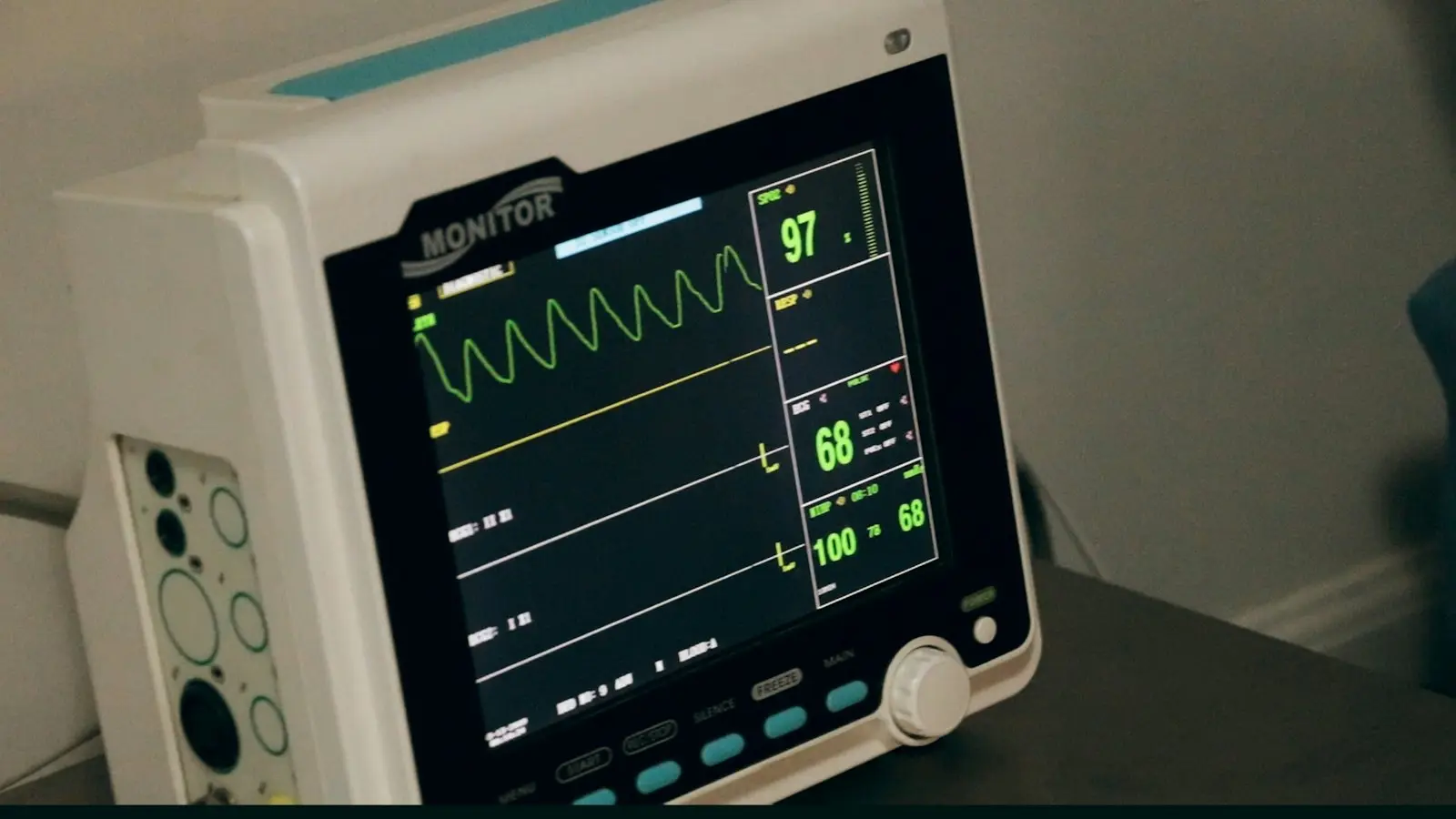
Treatment price, mid-point
- India package
- $25,000–$35,000
- US cash price
- $80,000+
- In hospital
- 5 days
- Time in India
- 14 days
Your time in India
About 14 days in Delhi, day by day
Plans leave time to recover so you fly home with your surgeon's sign-off, usually around day 12–14, after a groin check and heart scan.
Arrive, CT scan, meet the teamDays 1–2
A CT scan to size the valve and check the arteries, then a talk with the heart team.
TAVRDay 3
Usually under sedation, then to the cardiac care unit.
In hospitalDays 4–7
Walking within a day. Heart-rhythm monitoring. Home on around day 5–7.
Recover where you're stayingDays 8–12
Rest, a groin check and short walks.
Final check and fly homeDays 13–14
A heart scan to check the valve, then your fit-to-fly letter.
Recovery care
Care after you leave hospital
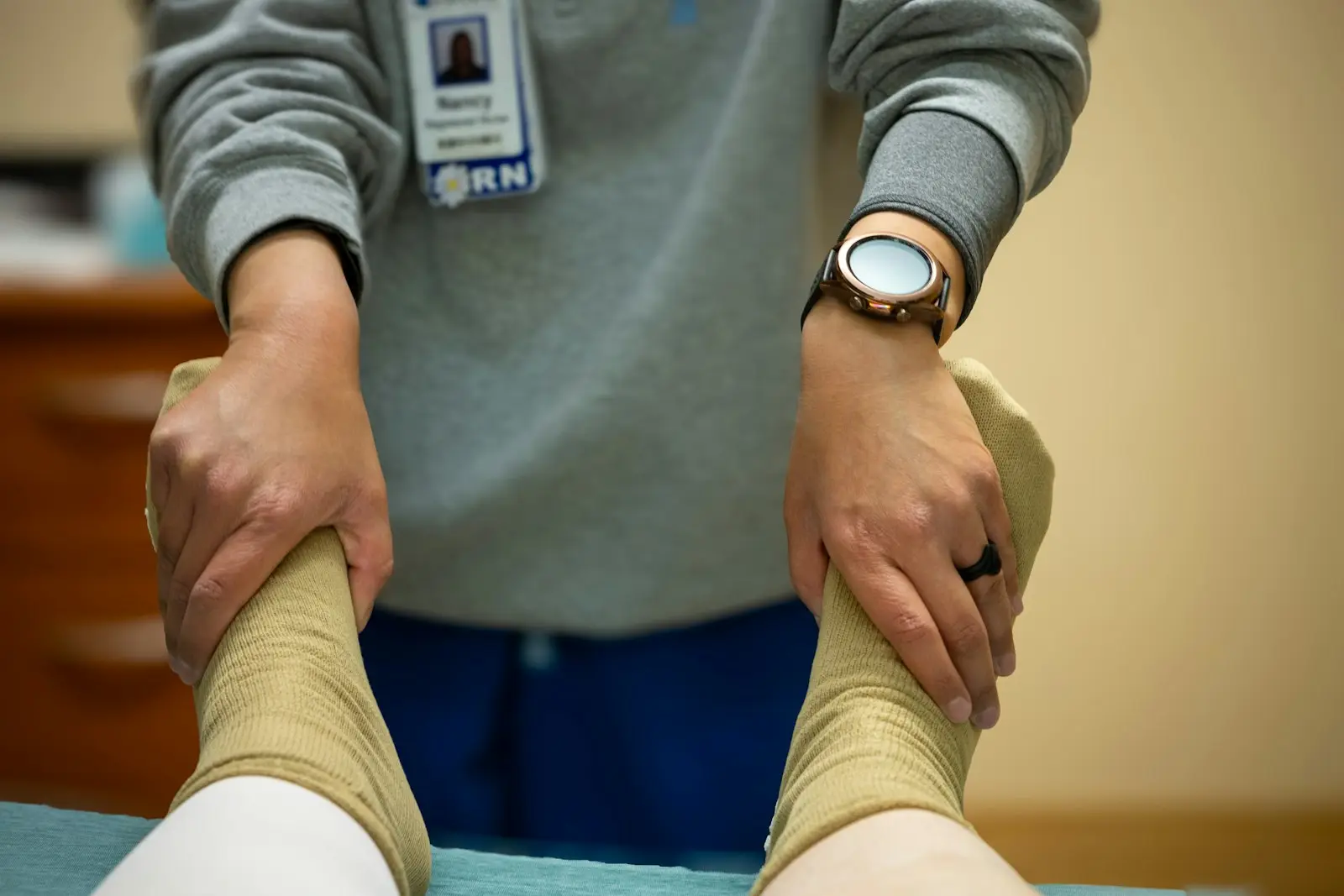
After discharge we arrange nursing and physiotherapy visits where you're staying, through vetted local partners, until your surgeon says you're ready to fly.
Day 1
Nurse visit
Wound check and fresh dressing
Daily
Physio in your room
Exercises set by your surgeon
As needed
Medicines delivered
Prescriptions collected for you
Before you fly
Fit-to-fly check
Back to your surgeon for sign-off
Home nursing visits
A qualified nurse checks your wound, changes dressings and watches for problems.
Physio where you're staying
Sessions in your hotel or apartment, following your surgeon's plan.
Medicines and supplies
Prescriptions, dressings and walking aids sorted for you.
One person to call
Your case manager co-ordinates everything and keeps your family updated.
Provided by vetted home-care and physiotherapy partners, and itemised in your written quote. Included in our Assisted and Premium plans, or added to Essential.
Ask what's includedIs this right for you?
Who it suits
Before you book anything, a surgeon at an accredited hospital reviews your records to confirm it's safe to travel.
Usually a good fit
- A severely narrowed aortic valve causing symptoms, usually in people over 65.
- People for whom open-heart surgery would be risky.
- A tissue valve from earlier surgery that has worn out.
- Chest or lung problems that make open surgery harder.
Wait, or get care at home
- An active infection, including of the heart valves.
- Leg arteries too narrow for the tube (other routes may be possible).
- Another illness that means life expectancy is under a year.
Risks
What can go wrong, and what helps
Every operation has risks, wherever it's done. These are the main ones. Your surgeon will explain how they apply to you.
The main risks
Bleeding
During or after surgery, sometimes needing a return to theatre.
Irregular heartbeat
Common in the days after heart surgery, and usually treated in hospital.
Stroke
A serious but less common risk of heart surgery and procedures.
Infection
Of the chest wound or the leg or arm where a graft was taken.
Kidney or breathing problems
More likely in people who already have kidney or lung disease.
What a planned trip does about travel
- A written opinion first. A surgeon reviews your reports before you book anything, and can say no.
- Time to recover before flying. Plans include days in India after discharge, and you only fly with your surgeon's fit-to-fly letter.
- Clot prevention for the flight. Your surgeon advises on stockings, medicines and moving around. We can book aisle seats and wheelchair help.
- Records your doctor can use. Discharge summary, scans, operation notes and implant details in English, before you leave.
- Follow-up from home. Video check-ups with your surgeon, and a named person to call if something worries you.
Questions to ask your surgeon
- 1.Which approach do you recommend for me (for example beating-heart or on-pump, surgery or TAVR), and why?
- 2.How many of these do you and your team do each year?
- 3.How long will I be in intensive care and in hospital?
- 4.What tests will show I'm fit to fly?
- 5.What medicines will I go home on, and who adjusts them?
Print them with our pre-travel checklist, or read how to check a hospital and surgeon yourself.
The package
What's in the price
Insured US patients on a high-deductible plan often pay $15,000+ out of pocket for this alone.
The whole trip, item by item
Total $28,300–$41,100
- Hospital package86%$25,000–$35,000
- Return flights6%$1,500–$2,400
- Stay and food, 14 days3%$770–$1,470
- Tests, visa, insurance, transfers3%$490–$1,760
- Our fee1%$500
Usually included
- The TAVR valve and delivery system.
- About five days in hospital, including two in cardiac care.
- Heart team fees, with a heart surgeon on standby.
- Catheter lab costs and monitoring.
- A heart scan and heart-rhythm monitoring afterwards.
- Closing the groin artery.
Usually extra
- A pacemaker, if one is needed afterwards (priced separately).
- Treatment to widen narrowed leg arteries first, if needed.
- Your stay after discharge (we arrange it).
Technique & technology
How it's done
What you can expect at large accredited hospitals in Delhi NCR. Your surgeon will explain which approach suits you.
Through the groin
The new valve is folded onto a thin tube, passed up the artery from the groin and opened inside the old valve.
Often without general anaesthetic
Many patients are sedated rather than fully put to sleep. The team decides what's safest for you.
A heart team decision
Cardiologists and heart surgeons look at your scans together to decide whether TAVR or surgery is better for you.
Where it's done
Hospitals that do this operation
Listed for reference. We request opinions from more than one where we can, and confirm in writing which hospitals we're working with for your case.
Medanta - The Medicity
Heart institute with a TAVR programme and a combined theatre and catheter lab.
Fortis Escorts Heart Institute
Dedicated heart hospital with a TAVR programme.
Questions
Questions about tavr (transcatheter aortic valve replacement)
Why does TAVR cost more than surgery here?
The TAVR valve itself is expensive everywhere, because it's made by a small number of companies abroad. The savings in India come from the hospital, catheter lab and team fees, not the valve.
How quickly do people recover?
Faster than after open surgery. Most people walk within a day and leave hospital in three to five days.
Planning this from abroad?
 United States
 United Kingdom
 Canada
 Australia
 Kenya
Kenya Ethiopia
 Uganda
 Tanzania
 Mauritius
 Zimbabwe
 Botswana
 Nigeria
 Ghana
Ghana DR Congo
 Cameroon
 UAE
UAE Oman
Oman Qatar
Qatar Bahrain
 Kuwait
 Saudi Arabia
 Uzbekistan
 Kazakhstan
 Azerbaijan
Prices are planning ranges from published hospital packages and cost research (2025–26), not quotes. Day plans are typical; your surgeon sets the real dates. General information, not medical advice. Last reviewed October 2026.
Free case review
Get a quote for your tavr (transcatheter aortic valve replacement)
Tell us what you need. We reply within one working day with next steps. Free, and no obligation.
- 1Tell us what you need
- 2Compare written quotes
- 3Decide in your own time